
MASAKO OMORI
Others
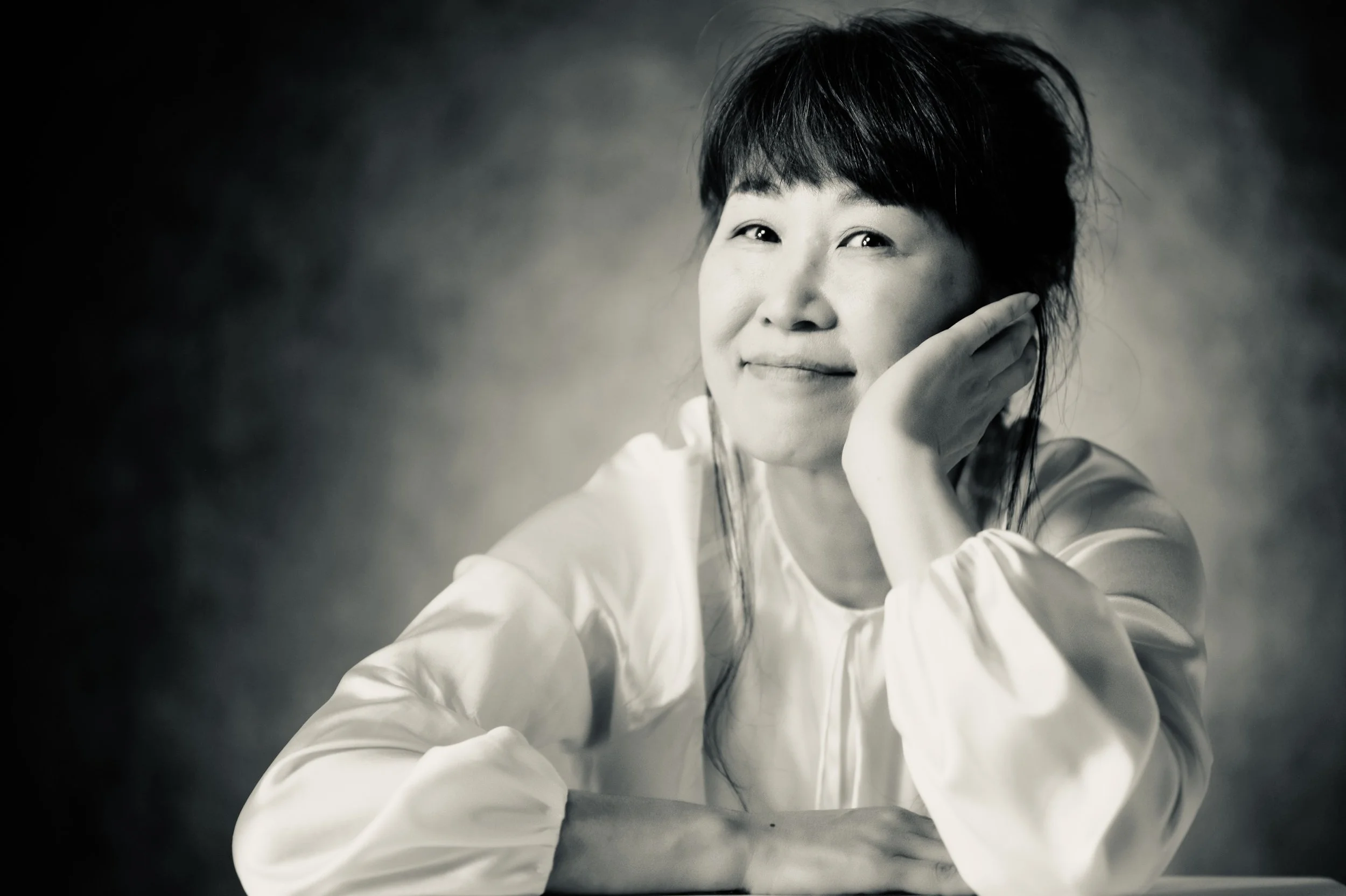

MASAKO OMORI reinterprets the traditional Japanese tea chest structure as contemporary art, exploring the concept of “beauty residing within utility.” She focuses on the rational structure of the tea chest, developed in the late Edo period for humidity and insect protection, and preserves this functionality while wrapping the form in Nishijin-ori textiles. Through this process, she presents a contemporary fusion of “beauty to be admired” and “beauty in utility,” deeply rooted in Japanese aesthetics.
At the core of her practice lies a profound interest in the spirituality embedded within Japanese tools and crafts. Originally designed as highly functional containers to protect tea leaves, tea chests are redefined in her work from “boxes that physically protect objects” into “boxes that preserve memory.”
For her materials, she uses Kyoto Nishijin-ori Asagi maru-obi textiles inspired by artistic legacies left by past generations. These textiles weave together the beauty of nature throughout the four seasons—flowers, birds, wind, and moon—while genuine gold leaf and black lacquer foil create a deep luster and luminous depth. Though fundamentally woven textiles, they possess the refinement and presence of fine art. By intentionally applying these luxurious materials to everyday tea chests, she transcends the boundaries between tradition and modernity, decoration and functionality.
Her practice extends beyond Nishijin-ori maru-obi textiles to include traditional Japanese techniques such as Akō Dantsū carpets and Echizen washi paper, positioning her work along the continuum of Japanese craftsmanship while connecting it to the future. Through tea chests—objects designed to endure for over a century—she presents the possibility that the philosophy of “utility and beauty” can be inherited across generations and beyond national borders.
At the same time, she is devoted to preserving, developing, and passing on the extraordinary beauty of Japanese culture to future generations.
At the core of her practice lies a profound interest in the spirituality embedded within Japanese tools and crafts. Originally designed as highly functional containers to protect tea leaves, tea chests are redefined in her work from “boxes that physically protect objects” into “boxes that preserve memory.”
For her materials, she uses Kyoto Nishijin-ori Asagi maru-obi textiles inspired by artistic legacies left by past generations. These textiles weave together the beauty of nature throughout the four seasons—flowers, birds, wind, and moon—while genuine gold leaf and black lacquer foil create a deep luster and luminous depth. Though fundamentally woven textiles, they possess the refinement and presence of fine art. By intentionally applying these luxurious materials to everyday tea chests, she transcends the boundaries between tradition and modernity, decoration and functionality.
Her practice extends beyond Nishijin-ori maru-obi textiles to include traditional Japanese techniques such as Akō Dantsū carpets and Echizen washi paper, positioning her work along the continuum of Japanese craftsmanship while connecting it to the future. Through tea chests—objects designed to endure for over a century—she presents the possibility that the philosophy of “utility and beauty” can be inherited across generations and beyond national borders.
At the same time, she is devoted to preserving, developing, and passing on the extraordinary beauty of Japanese culture to future generations.
大森正子は、日本の伝統的な茶箱構造を現代アートとして再解釈し、「用の中に宿る美」を探求する。彼女は、江戸時代後期に生まれた茶箱の防湿・防虫という合理的構造に着目し、その機能を継承しながら、西陣織を纏わせることで、日本における「観る美」と「用の美」の融合を現代に提示している。
制作の背景には、彼女の日本の道具や工芸に宿る精神性への深い関心がある。茶箱は本来、茶葉を守るため防湿・防臭・防酸化の効果に優れた箱であるが、彼女はその構造を「物理的に守る箱」から「記憶を守る箱」へと拡張する。
素材には、先人が遺した芸術作品に着想を得、花鳥風月や四季折々の美しい自然が織り込まれ、本金箔や黒漆箔による深い艶と光を生み出し、織物でありながら美術品としての完成度を持つ京都の西陣織あさぎ丸帯を用いる。この素材をあえて日用品である茶箱に用いることで、伝統と現代、装飾性と機能性の美の境界を横断する。
彼女の制作は、西陣織丸帯のみならず、赤穂緞通、越前和紙など、日本の伝統技術の延長線上に立ちながら、それを未来へ接続する試みである。茶箱という100年単位で使用される器を通して、「用と美」という思想が時代や国境を越えて継承される可能性を提示する。
また、この素晴らしい日本の美を次代へ発展継承させるために尽力していく。
兵庫県芦屋市を拠点に活動。お茶箱制作指導者として技術継承にも携わるほか、2025年大阪・関西万博 第3回日本国際芸術祭に西陣織茶箱作品を出展。2025年2月「第31回日本の美術」上野の森美術館出展、審査員特別賞受賞。2025年4月「MINERVA2026」Mall gallery, London, England. 英国王立美術協会名誉会員。 JCAT NY展を通じ、日本独自の「用と美」の思想を世界へ発信。
制作の背景には、彼女の日本の道具や工芸に宿る精神性への深い関心がある。茶箱は本来、茶葉を守るため防湿・防臭・防酸化の効果に優れた箱であるが、彼女はその構造を「物理的に守る箱」から「記憶を守る箱」へと拡張する。
素材には、先人が遺した芸術作品に着想を得、花鳥風月や四季折々の美しい自然が織り込まれ、本金箔や黒漆箔による深い艶と光を生み出し、織物でありながら美術品としての完成度を持つ京都の西陣織あさぎ丸帯を用いる。この素材をあえて日用品である茶箱に用いることで、伝統と現代、装飾性と機能性の美の境界を横断する。
彼女の制作は、西陣織丸帯のみならず、赤穂緞通、越前和紙など、日本の伝統技術の延長線上に立ちながら、それを未来へ接続する試みである。茶箱という100年単位で使用される器を通して、「用と美」という思想が時代や国境を越えて継承される可能性を提示する。
また、この素晴らしい日本の美を次代へ発展継承させるために尽力していく。
兵庫県芦屋市を拠点に活動。お茶箱制作指導者として技術継承にも携わるほか、2025年大阪・関西万博 第3回日本国際芸術祭に西陣織茶箱作品を出展。2025年2月「第31回日本の美術」上野の森美術館出展、審査員特別賞受賞。2025年4月「MINERVA2026」Mall gallery, London, England. 英国王立美術協会名誉会員。 JCAT NY展を通じ、日本独自の「用と美」の思想を世界へ発信。
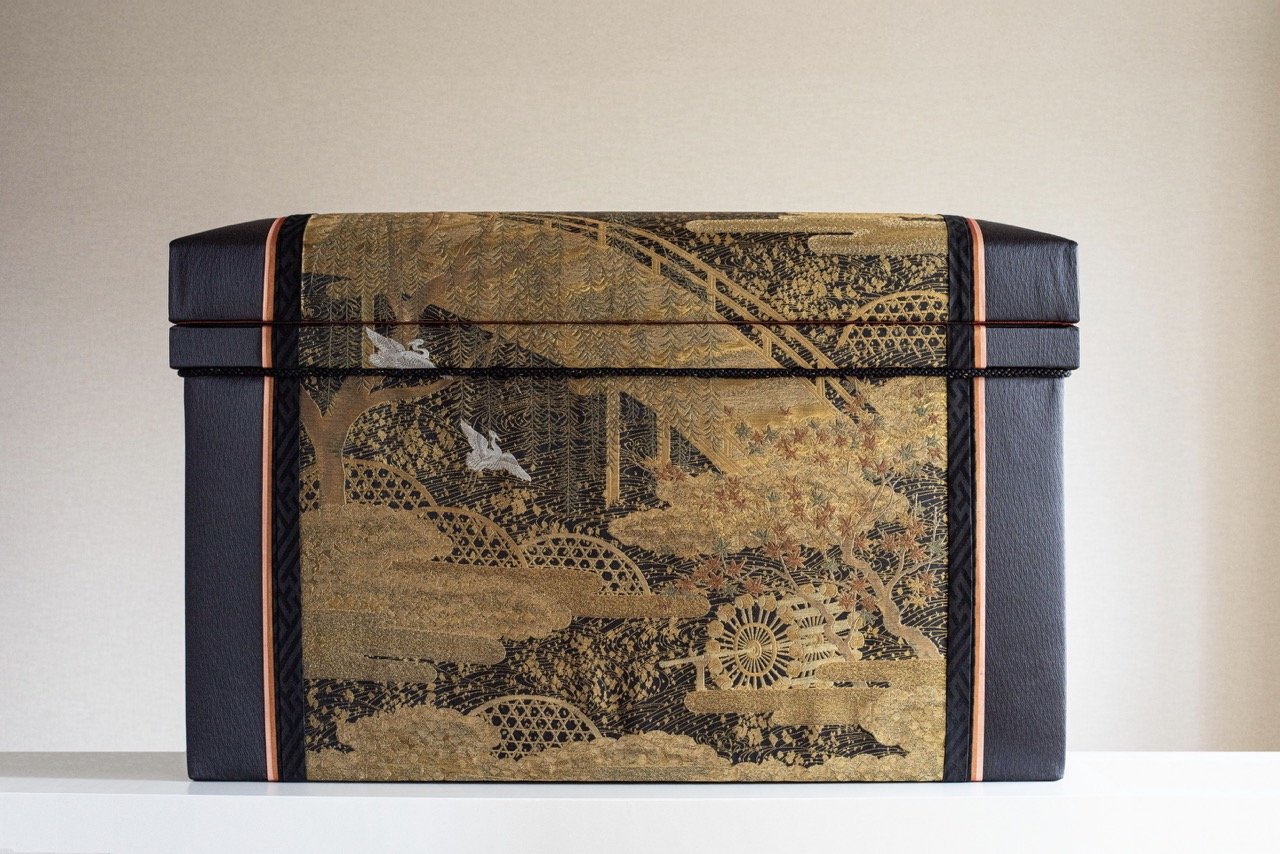
Kinshu-Autumn Brocade Chest
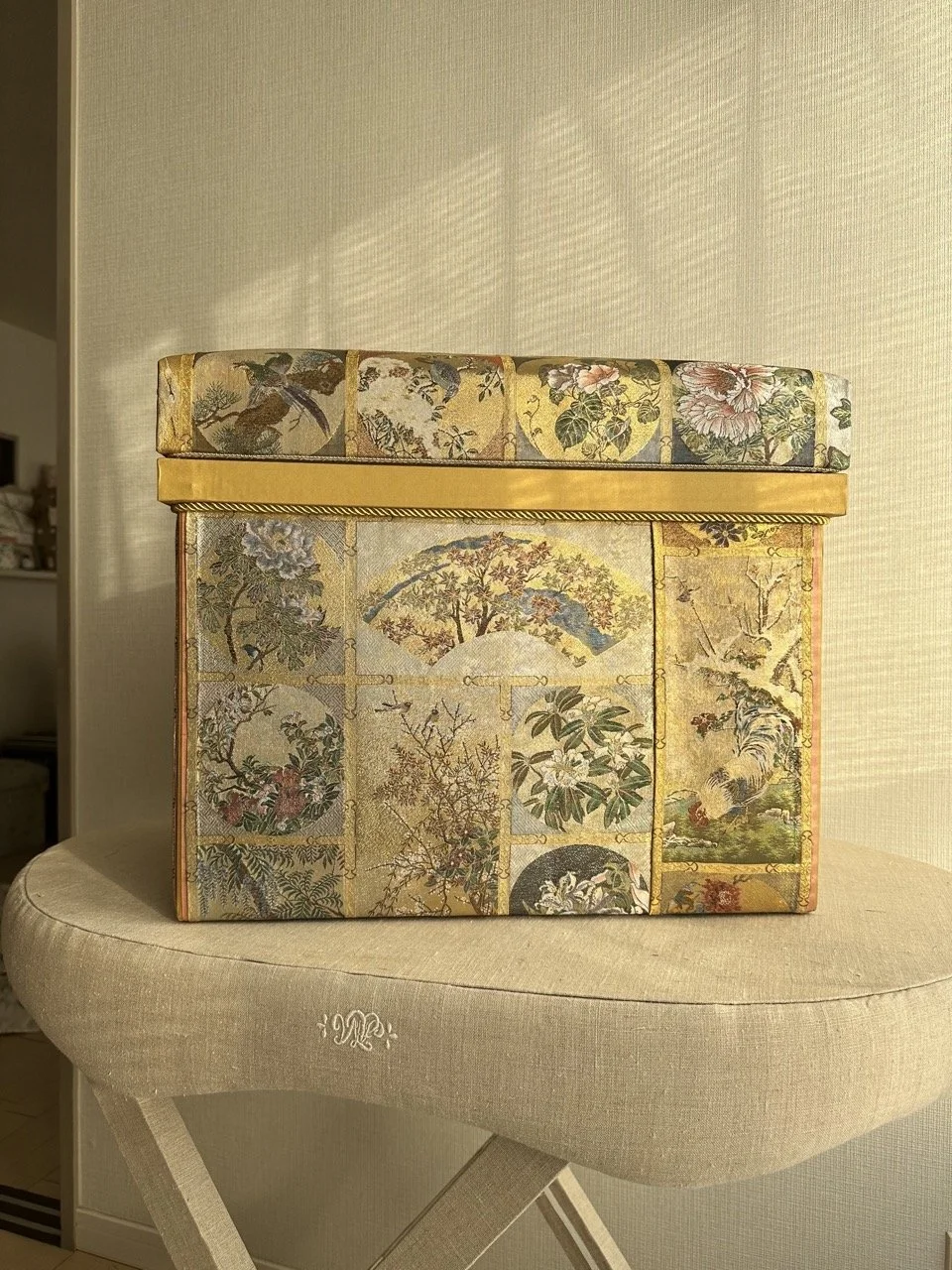
Flowers of Heaven
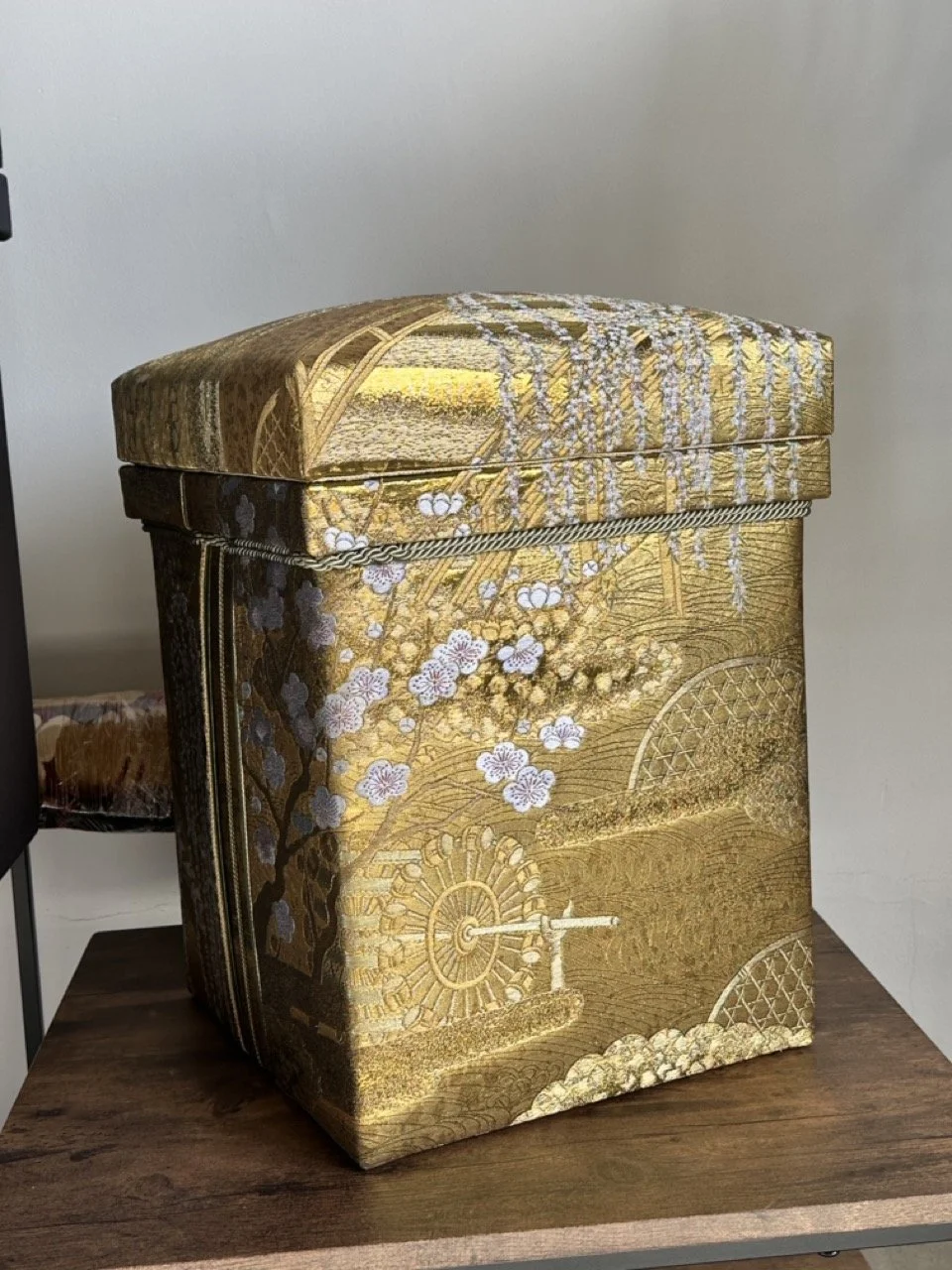
SHUNKEN
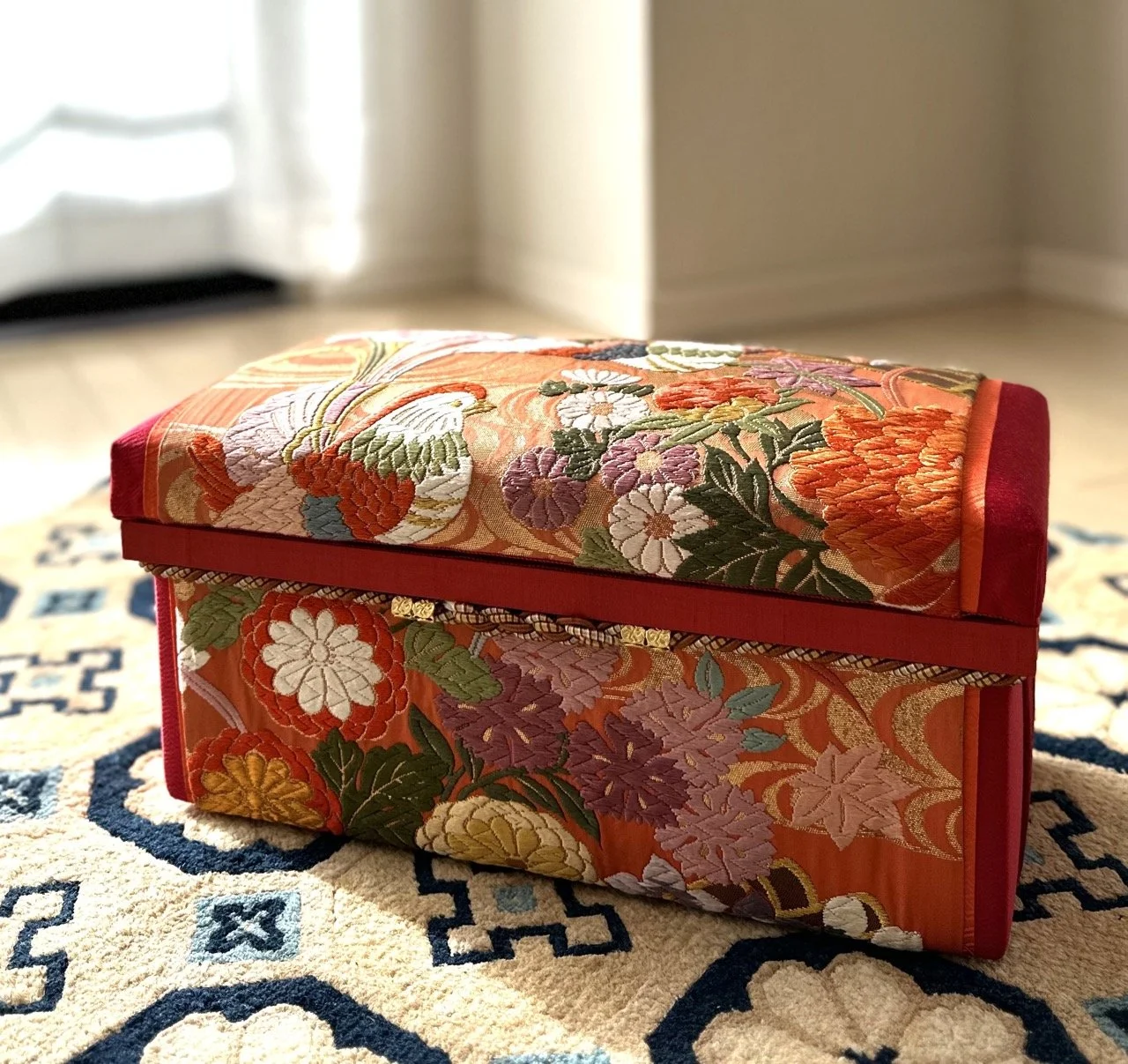
Oshidori
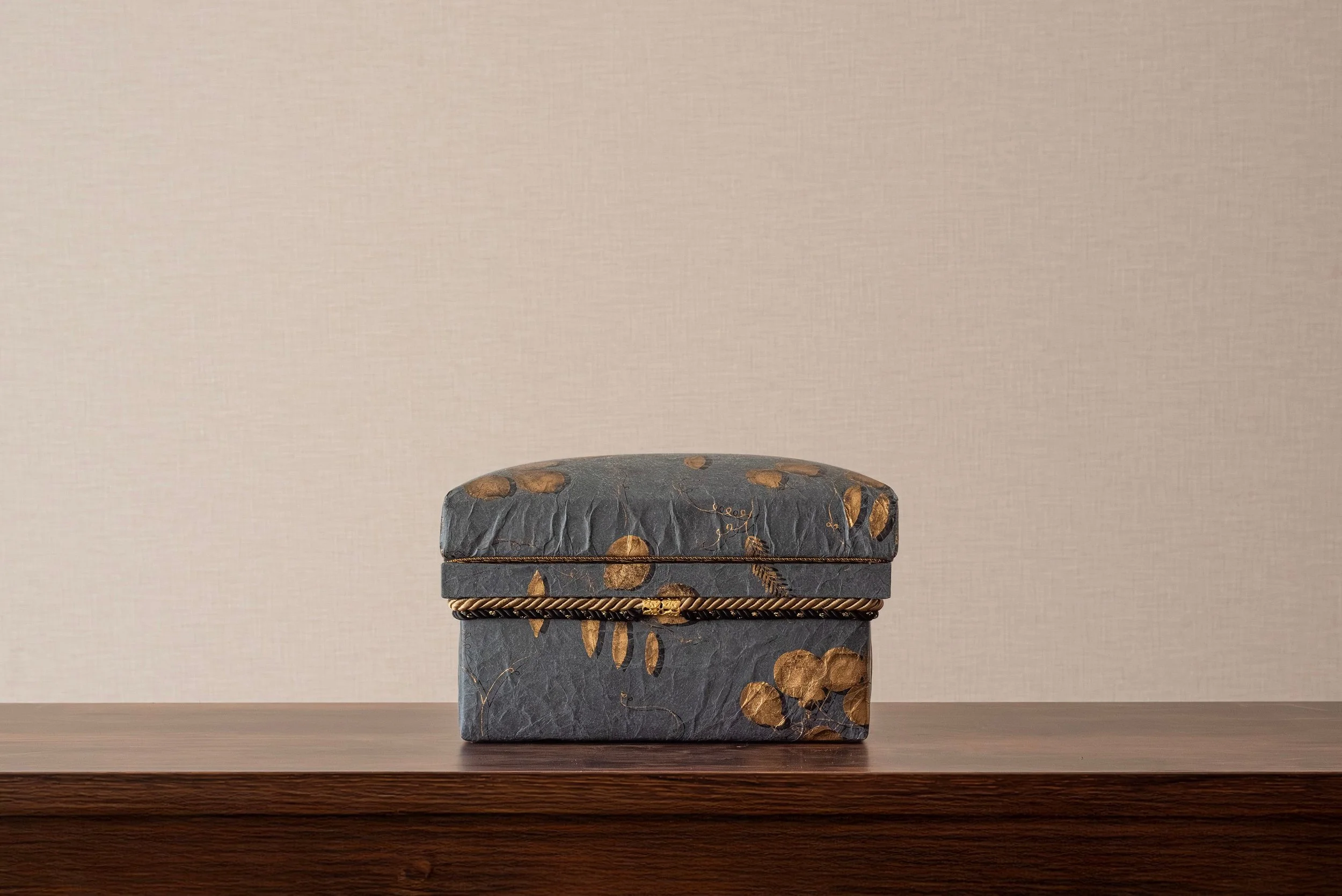
broad beans B G
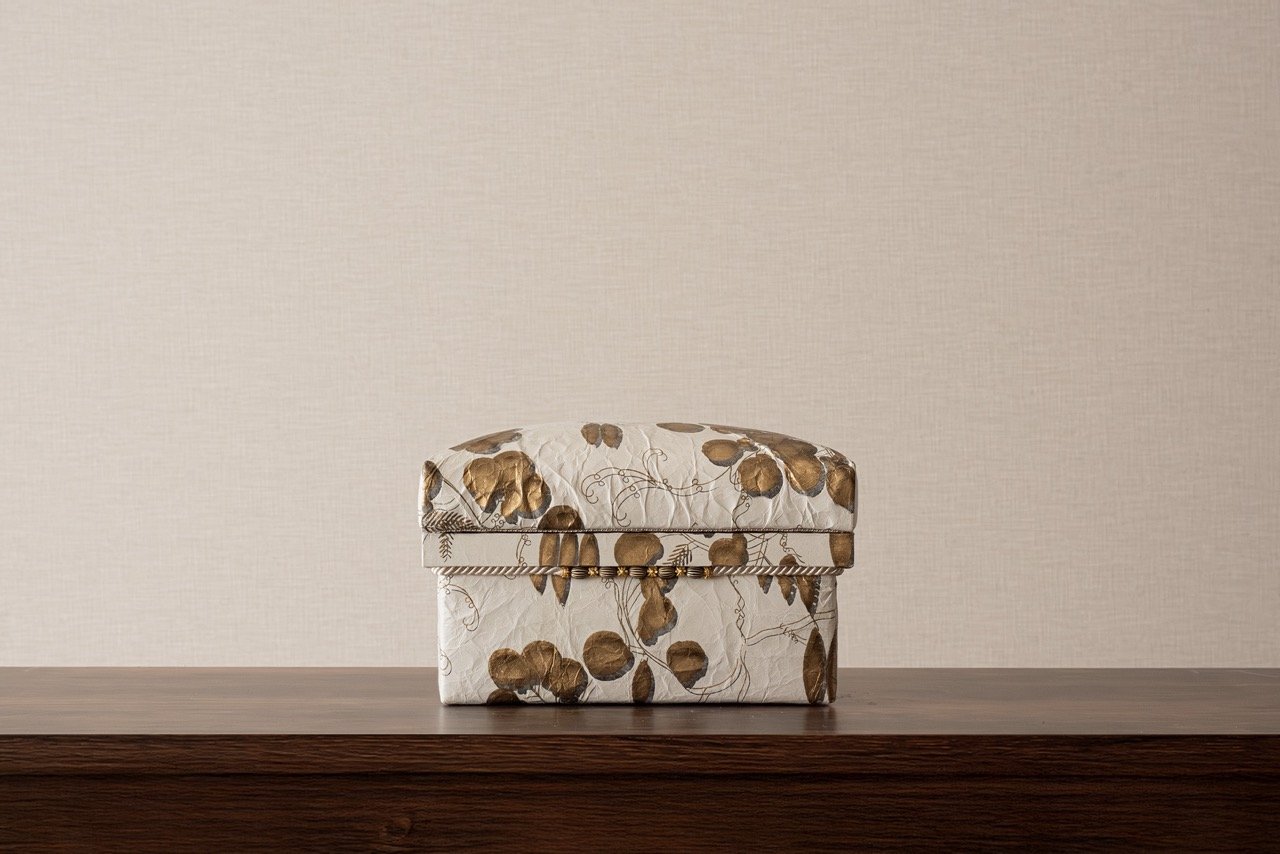
broad beans W G
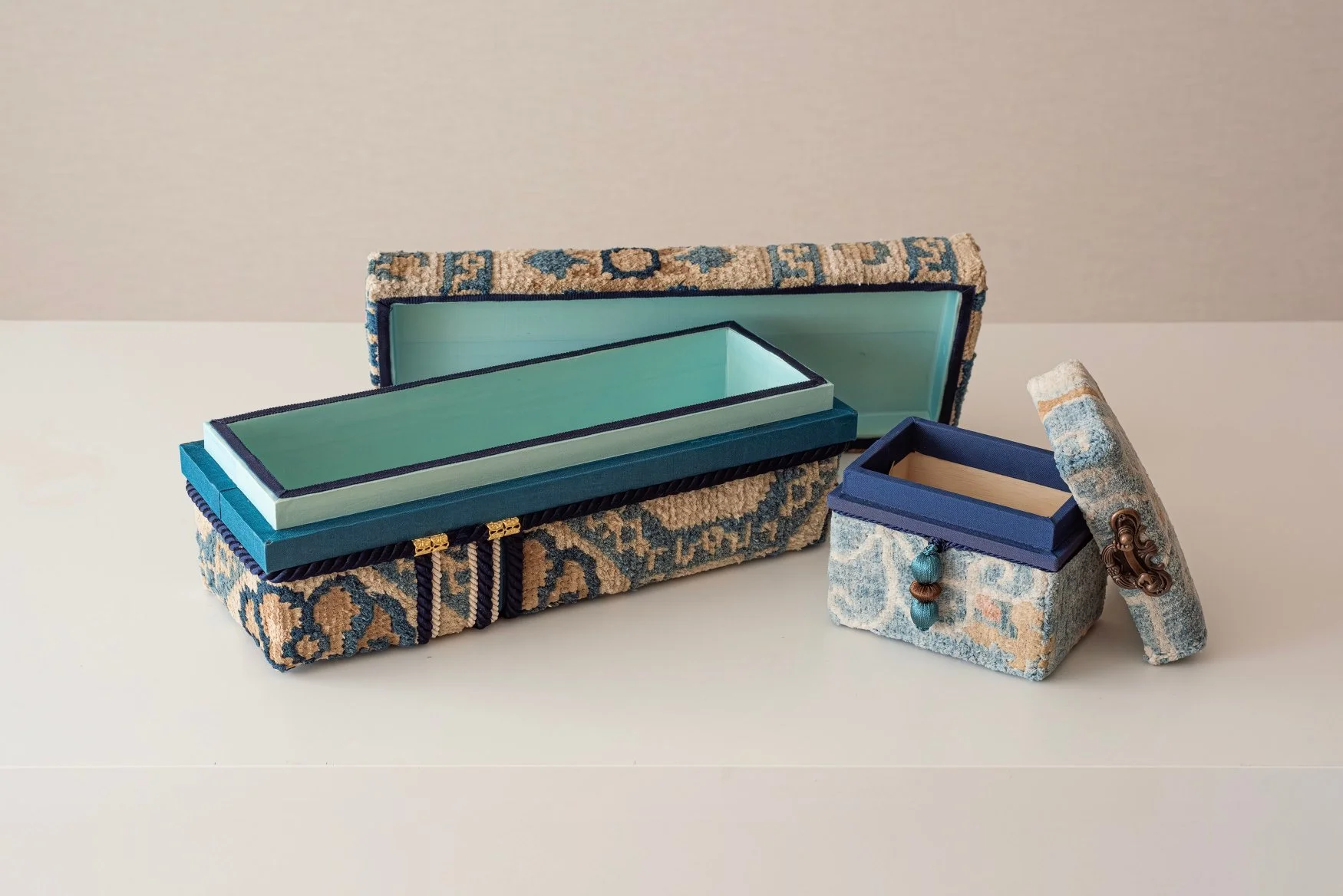
Ako Dantsu
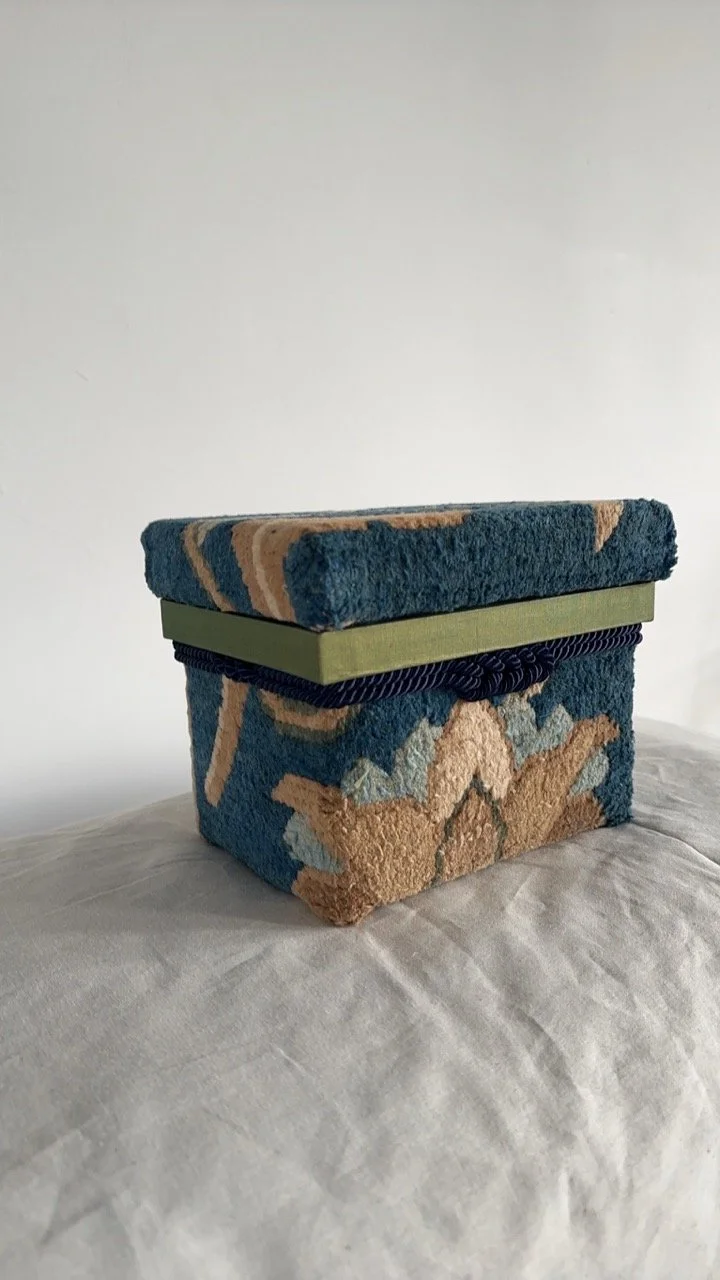
Ako Dantsu Peony